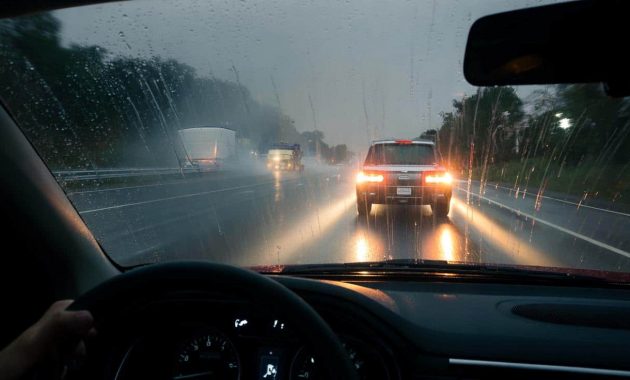
As the rain lashes against the windshield, the wipers struggle to keep up, blurring your vision and making it increasingly difficult to navigate the treacherous roads. But hidden within your car’s features is a secret weapon that could greatly improve your visibility during inclement weather – the rarely used “defrost” setting.
This often-overlooked function, designed to clear your windshield and side windows of fog and condensation, can be a game-changer when the weather turns nasty. Yet, many drivers remain unaware of its existence or unsure of how to utilize it effectively. It’s time to shed light on this forgotten feature and unlock its potential to enhance your safety on the road.
Unlock the Power of Defrost
While the wipers are essential for clearing away rain and snow, the defrost setting addresses a different challenge – the buildup of fog and condensation that can obscure your view. By activating the defrost, you engage a targeted heating system that warms the air and directs it towards the windshield and side windows, effectively clearing the haze and improving visibility.

This feature is particularly useful in humid environments or during sudden temperature changes, when the contrast between the warm air inside your car and the cold, damp air outside can lead to the rapid formation of fog. By tackling the problem at its source, the defrost setting can provide a more comprehensive solution than relying on the wipers alone.
However, many drivers tend to overlook this function, either forgetting about it or assuming it’s only necessary in the winter. But the truth is, the defrost setting can be a valuable asset year-round, helping you navigate through challenging weather conditions with greater confidence and safety.
Mastering the Defrost Technique
Utilizing the defrost setting effectively requires a bit of understanding and fine-tuning. It’s not as simple as just turning it on and letting it work its magic – there are a few key tips to keep in mind for optimal results.

First and foremost, it’s essential to ensure that the defrost is set to the highest possible setting. This will ensure that the air is being directed with the maximum force and heat, clearing the windshield and windows as quickly as possible. Additionally, you may want to consider combining the defrost with the air conditioning, as the cool air can help to dehumidify the cabin and prevent the formation of new condensation.
Another important factor to consider is the position of the air vents. Directing the airflow towards the areas that need the most attention, such as the windshield and the side windows, can greatly enhance the effectiveness of the defrost setting. Experiment with different vent positions to find the optimal configuration for your vehicle and driving conditions.
Balancing Visibility and Safety
While the defrost setting can be a game-changer in improving visibility, it’s important to be mindful of its potential impact on the safety of other drivers on the road. The heated air and powerful airflow can cause the windshield to appear temporarily hazy or even create a glare that could blind oncoming traffic.

To mitigate this issue, experts recommend gradually ramping up the defrost setting rather than turning it on at full blast. Start with a lower setting and gradually increase the intensity as the windshield and windows clear. This gradual approach can help to minimize the impact on other drivers while still providing the necessary visibility boost for you.
Additionally, it’s essential to keep an eye on the temperature inside the cabin and adjust the defrost accordingly. Prolonged use of the defrost setting can lead to a chilly environment, which can be uncomfortable and potentially distracting. Finding the right balance between visibility and cabin comfort is key to ensuring a safe and enjoyable driving experience.
Incorporating Defrost into Your Routine
Integrating the defrost setting into your regular driving routine can be a game-changer, especially during the transitional seasons or in unpredictable weather conditions. By making it a habit to check and adjust the defrost as needed, you can proactively address visibility issues before they become a problem.

Consider incorporating the defrost check as part of your pre-drive routine, alongside adjusting the mirrors, checking tire pressure, and ensuring your lights are functioning properly. This simple step can go a long way in keeping you safe and confident on the road, even when the weather throws curveballs your way.
Remember, the defrost setting is not just a winter accessory – it can be a valuable tool all year round. By mastering its use and making it a habit, you can take control of your visibility and enhance your overall driving experience, no matter the weather conditions.
The Science Behind the Defrost
The defrost setting in your car is more than just a convenient feature – it’s a carefully engineered solution to a common problem. The science behind it involves the principles of heat transfer and air circulation, working together to effectively clear the windshield and windows.

At the heart of the defrost system is a heating element that warms the air being circulated through the vents. This warm air is then directed towards the windshield and side windows, where it interacts with the cooler, moisture-laden air outside the vehicle. The temperature difference causes the water vapor in the air to condense, effectively removing the fog and condensation that had previously obscured your vision.
By strategically positioning the air vents and controlling the airflow, the defrost system ensures that the heated air is concentrated on the areas that need it the most. This targeted approach helps to maximize the efficiency of the system, clearing the windshield and windows quickly and effectively.
The Defrost’s Unsung Advantages
While the defrost setting may be overlooked by many drivers, it actually offers a range of benefits that extend beyond just improving visibility during bad weather. One of the lesser-known advantages is its potential to enhance your vehicle’s energy efficiency.

When the defrost is activated, it helps to regulate the temperature inside the cabin, preventing the rapid buildup of condensation and reducing the need for the air conditioning or heating systems to work overtime. This, in turn, can lead to a slight improvement in fuel economy, as the engine doesn’t have to work as hard to maintain the desired cabin temperature.
Additionally, the defrost setting can play a role in preserving the longevity of your vehicle’s components. By preventing the accumulation of moisture and preventing the formation of corrosion-inducing condensation, the defrost can help to extend the lifespan of critical components like the windshield wipers, seals, and even the glass itself.
FAQ
When should I use the defrost setting?
The defrost setting is most useful during periods of high humidity, sudden temperature changes, or when there is a buildup of fog or condensation on your windshield and windows. It can be used year-round, not just in the winter.

How does the defrost setting work?
The defrost setting activates a heating element that warms the air being circulated through the vents. This warm air is then directed towards the windshield and side windows, causing the moisture in the air to condense and clearing the fog or condensation.
Can the defrost setting be used with the air conditioning?
Yes, using the defrost setting in conjunction with the air conditioning can be an effective way to dehumidify the cabin and clear the windshield and windows more efficiently.
How do I adjust the defrost setting?
Start with the defrost setting on the highest level, and then gradually adjust the airflow and temperature as needed to find the optimal balance between visibility and comfort.

Will the defrost setting impact other drivers?
The powerful airflow and heated air from the defrost setting can temporarily cause a hazy or glare effect on the windshield, which could impact the visibility of other drivers. It’s important to use the defrost setting gradually and be mindful of the potential impact on others.
How can the defrost setting improve my vehicle’s efficiency?
By regulating the cabin temperature and reducing the need for the air conditioning or heating systems to work overtime, the defrost setting can contribute to a slight improvement in fuel economy.
Can the defrost setting help preserve my vehicle’s components?
Yes, by preventing the buildup of moisture and condensation, the defrost setting can help extend the lifespan of various components, such as the windshield wipers, seals, and even the windshield itself.
How do I incorporate the defrost setting into my driving routine?
Make it a habit to check and adjust the defrost setting as part of your pre-drive routine, alongside other tasks like adjusting mirrors and ensuring your lights are functioning properly.