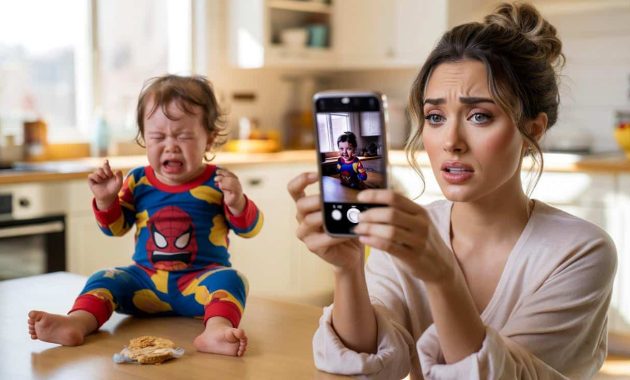
The video starts mid-scream, a jarring glimpse into a family’s private moment. A little boy, maybe three years old, lies on the kitchen floor in Spider-Man pajamas, red-faced and gasping. This is the reality for millions of parents, but for one influencer mom, these tantrums and tears have become her best-performing content.
As the camera captures the child’s meltdown in real-time, a growing audience watches, captivated by the raw emotion. But is this honest parenting or an exploitation of a child’s vulnerability for views and likes? The line between shareable moments and harmful exposure is a fine one, and the long-term consequences for these young stars remain largely unknown.
The Rise of the ‘Parenting Influencer’
In the digital age, the concept of “shareable content” has permeated every aspect of our lives, including the intimate details of parenting. Influencers have carved out a lucrative niche, building massive followings by chronicling their families’ everyday experiences, from milestone moments to meltdowns.

For these so-called “parenting influencers,” the promise of viral success and financial reward can be tempting. With each temper tantrum or tear-filled episode, they can rack up views and engagement, fueling the algorithm’s relentless demand for attention-grabbing content.
But at what cost? As these children grow up in the glare of the digital spotlight, experts warn that the long-term impact of such exposure remains largely uncharted territory.
The Ethical Dilemma of Shareable Parenting
At the heart of this issue lies a fundamental question of consent and privacy. While parents may have the best intentions, sharing their children’s most vulnerable moments online can have far-reaching consequences that these young stars are powerless to control.

Child development experts caution that exposing children to such intense public scrutiny, even from a young age, can have profound psychological effects. The fear of being judged, the loss of privacy, and the pressure to perform for the camera can all take a toll on a child’s well-being.
Moreover, the content these influencers produce can live on the internet forever, potentially haunting their children long after they’ve grown up and moved on. The quiet cost of this exposure may not be visible until these children become adults, grappling with the aftermath of their digital footprint.
The Blurred Line Between Authenticity and Exploitation
Defenders of the “parenting influencer” phenomenon argue that these videos offer a raw, authentic glimpse into the realities of family life. By sharing the good, the bad, and the ugly, they claim to be providing a valuable service, normalizing the struggles that all parents face.

However, critics contend that this rationale often masks a more sinister motive – the exploitation of children for profit and attention. When the lure of viral success and lucrative sponsorships becomes the driving force behind content creation, the well-being of the child can become an afterthought.
The line between authenticity and exploitation is further blurred when these influencers actively encourage their followers to engage with their children’s tantrums and tears. The dynamic of an audience cheering on a child’s distress raises ethical concerns that extend beyond the individual family.
The Long-Term Impact on Children
As these young “influencer stars” grow older, the consequences of their digital exposure may only begin to emerge. Experts warn that the psychological toll of constant scrutiny and a lack of privacy can lead to issues such as anxiety, depression, and difficulty forming healthy relationships.

Moreover, the content they’ve created may continue to haunt them, as potential employers, partners, and even future children may stumble upon the most vulnerable moments of their childhood. The lasting impact of this digital legacy is an area of growing concern for child development professionals.
Ultimately, the decision to share a child’s life online is a complex one, with far-reaching implications that may not be fully understood until it’s too late. As the world of “parenting influencers” continues to evolve, the need for a deeper examination of the ethical boundaries and the well-being of these young stars becomes increasingly pressing.
Navigating the Ethical Minefield
For parents who are considering sharing their family’s experiences online, the ethical considerations are paramount. Experts recommend a careful evaluation of the potential risks and benefits, prioritizing the child’s best interests above all else.

This may involve setting clear boundaries on the type of content shared, seeking the child’s informed consent (where possible), and maintaining a level of privacy and control that protects the young person’s dignity and emotional well-being. Additionally, it’s crucial to consider the long-term implications of this digital footprint and how it may affect the child’s future.
As the world of social media continues to evolve, the need for a robust ethical framework to guide “parenting influencers” becomes increasingly urgent. By striking a balance between authenticity and responsible stewardship, these influential figures can potentially harness the power of digital media to uplift and support families, rather than exploit their most vulnerable moments.
Conclusion: Toward a More Ethical Future
The rise of the “parenting influencer” has undoubtedly transformed the way we consume and share family content online. While these influencers may have tapped into a zeitgeist of honesty and vulnerability, the ethical implications of their actions demand careful consideration.

As we grapple with the long-term consequences of this digital exposure, it’s crucial that we prioritize the well-being of the children at the center of this phenomenon. By fostering a culture of responsible and ethical content creation, we can work toward a future where families can share their stories without sacrificing the privacy and dignity of the young stars who captivate us.
The journey ahead may be complex, but the potential rewards – for both influencers and their audiences – are immense. By embracing a more thoughtful, nuanced approach to shareable parenting, we can create a digital landscape that celebrates the joys and challenges of family life, while safeguarding the most precious assets of all: our children.
Frequently Asked Questions
What are the potential risks of sharing a child’s tantrum or meltdown online?
Experts warn that exposing children to intense public scrutiny, even from a young age, can have profound psychological effects, including anxiety, depression, and difficulty forming healthy relationships later in life. The digital footprint created by these videos may also haunt the child as they grow up.

Is there a way for “parenting influencers” to share authentic content while respecting their child’s privacy and well-being?
Yes, experts recommend setting clear boundaries on the type of content shared, seeking the child’s informed consent (where possible), and maintaining a level of privacy and control that protects the young person’s dignity and emotional well-being. It’s also crucial to consider the long-term implications of this digital footprint.
How can parents balance the desire to share their family’s experiences with the ethical concerns of “shareable parenting”?
Parents should carefully evaluate the potential risks and benefits, prioritizing the child’s best interests above all else. This may involve seeking the child’s informed consent, maintaining a level of privacy and control, and considering the long-term implications of the digital footprint.
What are some of the potential long-term consequences of being an “influencer child”?
Experts warn that the psychological toll of constant scrutiny and lack of privacy can lead to issues such as anxiety, depression, and difficulty forming healthy relationships later in life. The digital content created may also continue to haunt the child as they grow up and encounter potential employers, partners, and even their own children.

Should “parenting influencers” be subject to more regulation or ethical guidelines?
There is a growing call for more robust ethical frameworks to guide “parenting influencers” and protect the well-being of the children involved. This may involve industry-wide guidelines, legal regulations, or a greater emphasis on responsible content creation within the social media ecosystem.
How can the public help promote a more ethical approach to “shareable parenting”?
The public can play a role by being more discerning consumers of “parenting influencer” content, questioning the ethical implications, and supporting creators who prioritize the well-being of children over views and engagement. Collectively, we can help shape a digital landscape that celebrates family life while safeguarding the privacy and dignity of young stars.
What can “parenting influencers” do to ensure they are not exploiting their children’s vulnerability?
Parenting influencers should carefully consider the potential risks and benefits, prioritize the child’s consent and well-being, and maintain a level of privacy and control that protects the young person’s dignity. They should also be mindful of the long-term implications of the digital footprint they create.
How can we promote a more nuanced understanding of the challenges and realities of parenting in the digital age?
By fostering open dialogues, encouraging responsible content creation, and supporting creators who strike a balance between authenticity and ethical considerations, we can help promote a more nuanced understanding of the challenges and realities of parenting in the digital age.