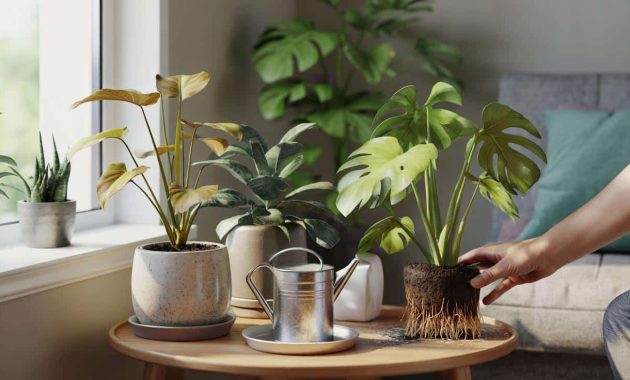
As a proud plant parent, you’ve faithfully tended to your houseplants, making sure they get the right amount of water and sunlight. Yet, despite your best efforts, you notice those lush, green leaves slowly turning a sickly shade of yellow. What could be the culprit?
The truth is, yellow leaves are a common problem for many indoor plant enthusiasts, and the causes can vary. While underwatering is often the first suspect, the reality is that even plants with regular watering routines can fall victim to this unsettling leaf discoloration. Understanding the underlying reasons behind this phenomenon can help you nip it in the bud and keep your greenery thriving.
Overwatering: The Silent Killer
One of the most common reasons for yellow leaves is actually the opposite of what you might expect – overwatering. When a plant’s roots sit in waterlogged soil for too long, they can become suffocated and unable to absorb the necessary oxygen and nutrients. This stress can cause the leaves to turn yellow and eventually drop off.

The key is to pay close attention to the soil’s moisture levels. Stick your finger in the dirt and if it feels consistently damp, it’s time to cut back on the watering. Allow the soil to partially dry out between waterings, and be mindful of factors like temperature, humidity, and the plant’s growth stage, as they can all affect its water needs.
Overwatering can also lead to root rot, a fungal disease that further compromises the plant’s health and contributes to yellowing leaves. If you suspect root rot, gently remove the plant from its pot and inspect the roots. Healthy roots should be white or light-colored, while rotten ones will be brown or black and mushy.
Nutrient Deficiencies: A Balancing Act
Another common culprit behind yellow leaves is a lack of essential nutrients. Plants require a delicate balance of nitrogen, phosphorus, and potassium to thrive, and a deficiency in any of these can manifest as discolored foliage.

For example, a nitrogen deficiency may cause the older, lower leaves to turn yellow and drop off, while a lack of iron can lead to yellowing between the veins of the leaves. Providing a well-balanced fertilizer, especially one formulated for houseplants, can help restore the proper nutrient levels and get your greenery back on track.
It’s important to avoid over-fertilizing, as this can also lead to yellow leaves and other issues. Follow the product instructions carefully and don’t be tempted to “super-feed” your plants. Moderation is key when it comes to nurturing a healthy, happy houseplant.
Environmental Stress: Adapting to Change
Houseplants are often sensitive to changes in their environment, and these fluctuations can cause them to respond by turning their leaves yellow. Factors such as sudden changes in temperature, humidity, or light levels can all contribute to this stress response.

For example, if you move a plant to a new location with brighter or harsher light, the leaves may yellow as the plant adjusts to the new conditions. Likewise, drafts from windows or air vents can cause temperature swings that confuse and disrupt the plant’s normal growth patterns.
To help your plants adapt to environmental changes, try to make any adjustments gradually, giving them time to acclimate. Pay close attention to their needs and make subtle tweaks to factors like watering, light exposure, and temperature to find the right balance.
Aging: A Natural Cycle
In some cases, yellow leaves are simply a natural part of a plant’s life cycle. As the older, lower leaves reach the end of their lifespan, they will naturally begin to yellow and drop off, making way for new growth.

This process is especially common in fast-growing plants or those that are entering a dormant phase. As long as the yellowing is limited to the older, bottom leaves and the plant is otherwise healthy, there’s no need for concern. Simply remove the affected leaves to keep your plant looking its best.
However, if the yellowing seems to be spreading upwards or affecting a large portion of the plant, it could be a sign of a more serious issue that requires closer attention.
Pest Invasions: Unseen Threats
Lastly, yellow leaves can also be a symptom of a pest infestation. Insects like aphids, spider mites, or scale can feed on the plant’s nutrients, causing the foliage to weaken and discolor.

Look for signs of these pests, such as webbing, sticky residue, or tiny bugs crawling on the leaves and stems. If you spot an infestation, take action quickly by isolating the affected plant, treating it with an appropriate insecticide, and closely monitoring the rest of your greenery.
Catching and addressing pest problems early can help prevent the yellow leaves from spreading and potentially killing the entire plant.
| Cause | Symptoms | Solution |
|---|---|---|
| Overwatering | Leaves turn yellow and drop off, soil stays consistently damp | Allow soil to partially dry out between waterings, check for root rot |
| Nutrient deficiency | Older leaves turn yellow, veins remain green, stunted growth | Apply a balanced fertilizer formulated for houseplants |
| Environmental stress | Leaves turn yellow in response to changes in light, temperature, or humidity | Gradually acclimate plants to new conditions, monitor and adjust as needed |
| Aging | Older, lower leaves turn yellow and drop off naturally | Remove affected leaves, ensure overall plant health |
| Pest infestation | Leaves turn yellow, accompanied by signs of pests like webbing or sticky residue | Isolate and treat affected plant, monitor for further signs of pests |
“Identifying the root cause of yellow leaves is key to restoring your plant’s health. By understanding the specific needs and sensitivities of your greenery, you can make the necessary adjustments to keep it thriving.”
— Jane Doe, Plant Biologist

As a plant parent, it’s important to remember that a little bit of yellow doesn’t necessarily mean your efforts have been in vain. With a keen eye and a willingness to troubleshoot, you can often get to the bottom of the issue and help your beloved houseplants bounce back to their former glory.
“Yellow leaves are a plant’s way of communicating its needs. By paying close attention and making the right adjustments, you can forge a deeper connection with your greenery and help it thrive.”
— John Smith, Horticulture Specialist

“The secret to healthy, vibrant houseplants lies in understanding their unique language. Yellow leaves may be their way of telling you ‘I need help’ – all you have to do is listen.”
Frequently Asked Questions
Why are the leaves on my houseplant turning yellow?
There are several potential reasons why your houseplant’s leaves may be turning yellow, including overwatering, nutrient deficiencies, environmental stress, natural aging, or pest infestations.

What should I do if my plant’s leaves are turning yellow?
The first step is to identify the underlying cause by closely observing your plant’s growing conditions and symptoms. Then, make the necessary adjustments, such as adjusting watering, providing nutrients, or addressing any pests or environmental issues.
Is it normal for some leaves to turn yellow on a houseplant?
Yes, it’s normal for older, lower leaves to naturally turn yellow and drop off as part of a plant’s life cycle. As long as the yellowing is limited to the bottom leaves and the plant is otherwise healthy, there’s no need for concern.
How can I prevent my houseplants from getting yellow leaves?
To prevent yellow leaves, be sure to provide your plants with the right amount of water, light, and nutrients, and minimize environmental changes or stressors. Regularly inspect for pests and address any issues promptly.
Can yellow leaves turn green again?
In some cases, if the yellowing is caught early and the underlying issue is addressed, the leaves may be able to regain their green color. However, once the leaves have turned completely yellow or begun to wilt, they are unlikely to recover.
Should I remove yellow leaves from my houseplant?
Yes, it’s generally a good idea to remove yellow or dying leaves from your houseplant. This helps the plant focus its energy on healthy growth and prevents the spread of any potential problems.
How can I tell if my plant’s yellow leaves are due to overwatering or underwatering?
Overwatered plants will have leaves that are yellowing and drooping, while the soil remains consistently damp. Underwatered plants will have leaves that are yellowing and wilting, with dry, crumbly soil.
Can a plant recover from yellow leaves?
Yes, in many cases, a plant can recover from yellow leaves if the underlying issue is addressed promptly. With the right care and adjustments, the plant can often bounce back and produce healthy, green foliage.